Buy daydreamvillas.eu ?
We are moving the project
daydreamvillas.eu .
Are you interested in purchasing the domain
daydreamvillas.eu ?
domain@kv-gmbh.de · 0541-91531010
Buy daydreamvillas.eu ?
Which animals eat storks?
Several animals are known to prey on storks, including eagles, hawks, owls, and large snakes. These predators are able to catch storks either on the ground or in flight, making them vulnerable to attack. Additionally, some mammals such as foxes and wild cats may also hunt and consume storks when the opportunity arises. **
How do storks communicate?
Storks communicate through a variety of vocalizations, including bill clattering, bill clapping, and hissing. They also use body language, such as bowing and pointing their bills, to communicate with each other. These forms of communication help storks to establish and maintain social bonds, defend their territory, and coordinate their activities, such as during courtship and nesting. Overall, storks have a complex and nuanced communication system that allows them to interact effectively with each other. **
Similar search terms for Storks
Top-Angebote
Products related to Storks:
-
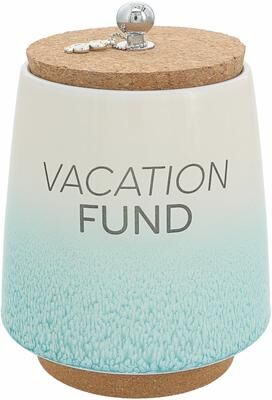
"Pavilion Vacation Fund Ceramic Savings Bank - 6.5"""Save for your next adventure in style with this charming “Vacation Fund” stoneware money jar. Featuring a glossy ombre glaze, motivational fill lines, and a removable dollar-sign keychain, it’s a fun and functional way to reach your travel goals31,99 $*Shipping: 0,00 $Secure redirect to the provider
-
SAFAVIEH Retreat Aoibheann Farmhouse RugThe Retreat Rug Collection presents versatile indoor/outdoor area rugs that effortlessly complement any living space. Delicate fringe details lend a relaxed coastal charm, while a neutral palette ensures seamless harmony with existing decor.121,49 $*Shipping: 0,00 $Secure redirect to the provider
-
SAFAVIEH Retreat Potitsa Farmhouse RugThe Retreat Rug Collection presents versatile indoor/outdoor area rugs that effortlessly complement any living space. Delicate fringe details lend a relaxed coastal charm, while a neutral palette ensures seamless harmony with existing decor.111,99 $*Shipping: 0,00 $Secure redirect to the provider



-
Can you eat marabou storks?
Marabou storks are not typically consumed as they are scavenger birds and may carry diseases. In some cultures, they are considered taboo to eat due to their scavenging habits and association with death. Additionally, marabou storks are protected in many countries, making it illegal to hunt or consume them. **
-
Are storks related to herons?
Yes, storks and herons are related as they both belong to the family Ardeidae. However, they are not closely related, as storks belong to the family Ciconiidae. Both storks and herons are long-legged wading birds that are often found near water, but they have distinct differences in their behavior, habitat, and physical characteristics. **
-
Why are storks and swans not eaten?
Storks and swans are not commonly eaten because they are considered to be symbols of beauty, grace, and purity in many cultures. In some societies, they are also protected by law due to their status as endangered or threatened species. Additionally, their meat is not widely consumed because it is known to have a strong, gamey flavor that is not appealing to many people. Overall, cultural beliefs, legal protections, and the taste of their meat all contribute to the avoidance of eating storks and swans. **
-
Why are storks so ugly and aggressive?
Storks are not inherently ugly or aggressive. In fact, many people find them to be graceful and elegant birds. Their appearance and behavior may be perceived as aggressive when they are protecting their nests or young, but this is a natural instinct for many bird species. Additionally, their long beaks and large bodies may give the impression of aggression, but these features are actually adaptations for catching and eating their prey. Overall, storks are an important part of the ecosystem and play a valuable role in controlling insect populations. **


Why are there currently so many storks in Germany?
There are currently so many storks in Germany because the country has made efforts to protect and preserve their natural habitats. Storks are migratory birds that travel from Africa to Europe during the spring and summer months, and Germany's wetlands and agricultural areas provide ideal nesting and feeding grounds for them. Additionally, conservation efforts and the availability of food sources have contributed to the increasing stork population in Germany. The presence of storks is also seen as a positive sign of environmental health and biodiversity in the region. **
Why do some storks throw their babies out of the nests?
The myth of storks throwing their babies out of nests likely originated from a misunderstanding or misinterpretation of stork behavior. Storks are known for their care and protection of their young, and it is highly unlikely that they would intentionally harm their offspring. The myth may have been perpetuated to explain the unfortunate event of a baby stork falling out of its nest, which can happen due to various reasons such as overcrowding, rough weather, or accidental displacement. **
Top-Angebote
Products related to Storks:
-
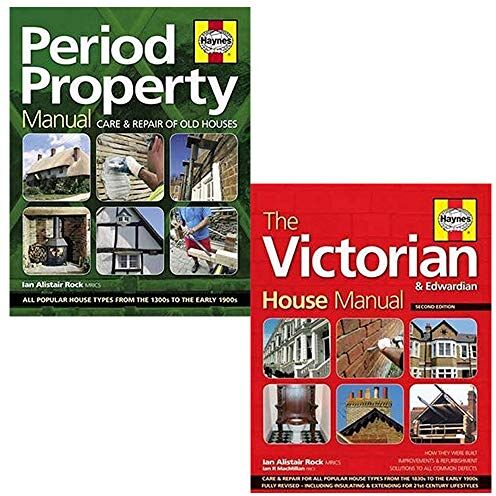
J H Haynes & Co Ltd Haynes Property Manual 2 Books Collection Set (The Victorian House, Period Property)The Victorian House Manual The Victorian House Manual (2nd Edition): How They Were Built, Improvements & Refurbishment, Solutions to All Common Defects Thinking of buying a Victorian or Edwardian house? Or maybe you already own one? Either way, this clearly written manual explains all you need to know about the care and repair of these classic properties. Today, many houses of this age are in need of extensive updating and maintenance, having suffered years of neglect. Some have been damaged by misguided home improvements or botched repairs using the wrong materials. Even newly refurbished properties can sometimes conceal dangerous structural alterations and shoddy build-quality. This unique manual provides detailed, expert advice, backed up with clear how to colour photographs, describing where to check for the critical danger signs and how to fix all common defects. Period Property Britain has a wonderfully rich stock of period houses - everything from medieval cottages to Georgian townhouses and Edwardian mansions. But many of these historic properties are now at risk. Some are unwittingly damaged by well-meaning owners or incompetent builders; others suffer long-term deterioration where mortgage lenders have imposed quick-fix 'remedies'. Despite being some of the most sustainable buildings on the planet, many old houses are now being subjected to ill-advised works to upgrade thermal efficiency, resulting in the destruction of the very qualities that make them so appealing, slashing their values. Haynes have come to the rescue with this clearly written, lavishly illustrated manual explaining the correct approach to care and repair - covering the full range of traditional materials. Every old house has a story to tell, so Haynes also show how to explore your home's history and strip back modern finishes to reveal long lost original features. This comprehensive manual is essential reading whether you want to get your hands dirty or just want to understand how old houses work and how to go about employing specialist craftsmen.19,99 £*Shipping: 2,99 £Secure redirect to the provider
-
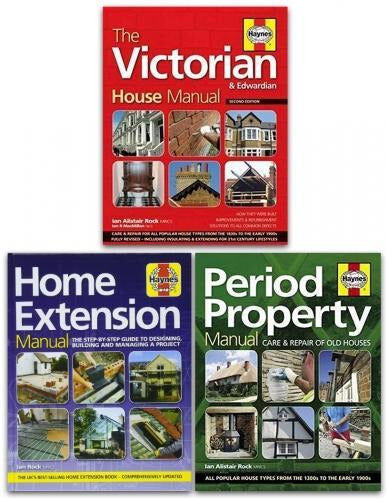
J H Haynes & Co Ltd Haynes Property Manual 3 Books Collection Set Home Extension The Victorian House Period PropertyTitles In this Set: The Victorian House Manual Home Extension Period Property The Victorian House Manual The Victorian House Manual (2nd Edition): How They Were Built, Improvements & Refurbishment, Solutions to All Common Defects Thinking of buying a Victorian or Edwardian house? Or maybe you already own one? Either way, this clearly written manual explains all you need to know about the care and repair of these classic properties. Today, many houses of this age are in need of extensive updating and maintenance, having suffered years of neglect. Some have been damaged by misguided home improvements or botched repairs using the wrong materials. Even newly refurbished properties can sometimes conceal dangerous structural alterations and shoddy build-quality. This unique manual provides detailed, expert advice, backed up with clear how to colour photographs, describing where to check for the critical danger signs and how to fix all common defects. Home ExtensionMany people are looking at ways to extend their homes rather than move house, but `getting the builders in' can be a recipe for disaster unless you really know what you are doing. Whether you plan to employ a building contractor or tackle some of the works yourself, this best-selling manual will show you how to stay firmly in control, resulting in a high-quality extension, completed on time and within budget. This new edition will include all the up-do-date information on complying with the latest Building Regs and Planning requirements, CAD design, energy-efficiency, under floor heating, bi-folds, liquid screeds, woodburning stoves and renewable energy. Period Property Britain has a wonderfully rich stock of period houses - everything from medieval cottages to Georgian townhouses and Edwardian mansions. But many of these historic properties are now at risk. Some are unwittingly damaged by well-meaning owners or incompetent builders; others suffer long-term deterioration where mortgage lenders have imposed quick-fix 'remedies'. Despite being some of the most sustainable buildings on the planet, many old houses are now being subjected to ill-advised works to upgrade thermal efficiency, resulting in the destruction of the very qualities that make them so appealing, slashing their values. Haynes have come to the rescue with this clearly written, lavishly illustrated manual explaining the correct approach to care and repair - covering the full range of traditional materials. Every old house has a story to tell, so Haynes also show how to explore your home's history and strip back modern finishes to reveal long lost original features. This comprehensive manual is essential reading whether you want to get your hands dirty or just want to understand how old houses work and how to go about employing specialist craftsmen.24,99 £*Shipping: 2,99 £Secure redirect to the provider
-
"Pavilion Vacation Fund Ceramic Savings Bank - 6.5"""Save for your next adventure in style with this charming “Vacation Fund” stoneware money jar. Featuring a glossy ombre glaze, motivational fill lines, and a removable dollar-sign keychain, it’s a fun and functional way to reach your travel goals31,99 $*Shipping: 0,00 $Secure redirect to the provider
-
Which animals eat storks?
Several animals are known to prey on storks, including eagles, hawks, owls, and large snakes. These predators are able to catch storks either on the ground or in flight, making them vulnerable to attack. Additionally, some mammals such as foxes and wild cats may also hunt and consume storks when the opportunity arises. **
-
How do storks communicate?
Storks communicate through a variety of vocalizations, including bill clattering, bill clapping, and hissing. They also use body language, such as bowing and pointing their bills, to communicate with each other. These forms of communication help storks to establish and maintain social bonds, defend their territory, and coordinate their activities, such as during courtship and nesting. Overall, storks have a complex and nuanced communication system that allows them to interact effectively with each other. **
-
Can you eat marabou storks?
Marabou storks are not typically consumed as they are scavenger birds and may carry diseases. In some cultures, they are considered taboo to eat due to their scavenging habits and association with death. Additionally, marabou storks are protected in many countries, making it illegal to hunt or consume them. **
-
Are storks related to herons?
Yes, storks and herons are related as they both belong to the family Ardeidae. However, they are not closely related, as storks belong to the family Ciconiidae. Both storks and herons are long-legged wading birds that are often found near water, but they have distinct differences in their behavior, habitat, and physical characteristics. **
Similar search terms for Storks
-
SAFAVIEH Retreat Aoibheann Farmhouse RugThe Retreat Rug Collection presents versatile indoor/outdoor area rugs that effortlessly complement any living space. Delicate fringe details lend a relaxed coastal charm, while a neutral palette ensures seamless harmony with existing decor.121,49 $*Shipping: 0,00 $Secure redirect to the provider
-
SAFAVIEH Retreat Potitsa Farmhouse RugThe Retreat Rug Collection presents versatile indoor/outdoor area rugs that effortlessly complement any living space. Delicate fringe details lend a relaxed coastal charm, while a neutral palette ensures seamless harmony with existing decor.111,99 $*Shipping: 0,00 $Secure redirect to the provider
-
SAFAVIEH Retreat Potitsa Farmhouse RugThe Retreat Rug Collection presents versatile indoor/outdoor area rugs that effortlessly complement any living space. Delicate fringe details lend a relaxed coastal charm, while a neutral palette ensures seamless harmony with existing decor.118,49 $*Shipping: 0,00 $Secure redirect to the provider
-
SAFAVIEH Retreat Gokben Farmhouse RugThe Retreat Rug Collection presents versatile indoor/outdoor area rugs that effortlessly complement any living space. Delicate fringe details lend a relaxed coastal charm, while a neutral palette ensures seamless harmony with existing decor.72,92 $*Shipping: 0,00 $Secure redirect to the provider
-
Why are storks and swans not eaten?
Storks and swans are not commonly eaten because they are considered to be symbols of beauty, grace, and purity in many cultures. In some societies, they are also protected by law due to their status as endangered or threatened species. Additionally, their meat is not widely consumed because it is known to have a strong, gamey flavor that is not appealing to many people. Overall, cultural beliefs, legal protections, and the taste of their meat all contribute to the avoidance of eating storks and swans. **
-
Why are storks so ugly and aggressive?
Storks are not inherently ugly or aggressive. In fact, many people find them to be graceful and elegant birds. Their appearance and behavior may be perceived as aggressive when they are protecting their nests or young, but this is a natural instinct for many bird species. Additionally, their long beaks and large bodies may give the impression of aggression, but these features are actually adaptations for catching and eating their prey. Overall, storks are an important part of the ecosystem and play a valuable role in controlling insect populations. **
-
Why are there currently so many storks in Germany?
There are currently so many storks in Germany because the country has made efforts to protect and preserve their natural habitats. Storks are migratory birds that travel from Africa to Europe during the spring and summer months, and Germany's wetlands and agricultural areas provide ideal nesting and feeding grounds for them. Additionally, conservation efforts and the availability of food sources have contributed to the increasing stork population in Germany. The presence of storks is also seen as a positive sign of environmental health and biodiversity in the region. **
-
Why do some storks throw their babies out of the nests?
The myth of storks throwing their babies out of nests likely originated from a misunderstanding or misinterpretation of stork behavior. Storks are known for their care and protection of their young, and it is highly unlikely that they would intentionally harm their offspring. The myth may have been perpetuated to explain the unfortunate event of a baby stork falling out of its nest, which can happen due to various reasons such as overcrowding, rough weather, or accidental displacement. **
* All prices are inclusive of VAT and, if applicable, plus shipping costs. The offer information is based on the details provided by the respective shop and is updated through automated processes. Real-time updates do not occur, so deviations can occur in individual cases. ** Note: Parts of this content were created by AI.