Buy daydreamvillas.eu ?
We are moving the project
daydreamvillas.eu .
Are you interested in purchasing the domain
daydreamvillas.eu ?
domain@kv-gmbh.de · 0541-91531010
Buy daydreamvillas.eu ?
What products are formed during glycolysis?
During glycolysis, glucose is broken down into two molecules of pyruvate. In the process, ATP and NADH are also produced. Overall, glycolysis results in the net production of two molecules of ATP per glucose molecule. **
Why doesn't the glycolysis equation balance?
The glycolysis equation does not balance because it is a simplified representation of the overall process. In reality, glycolysis involves a series of complex enzymatic reactions that occur in multiple steps. The equation typically shown in textbooks is a summary of these steps and does not account for every intermediate molecule or cofactor involved in the process. Additionally, the equation may not balance due to the omission of specific details or variations that can occur in different organisms or under different conditions. **

Similar search terms for Glycolysis
Top-Angebote
Products related to Glycolysis:
-
NARS Sparked Liquid Eyeshadow liquid glitter eyeshadow shade HOT PROPERTY 3.5 mlNARS Sparked Liquid Eyeshadow, 3.5 ml, Eyeshadows for Women, Do you tend to hit the same few shades in your favourite eyeshadow palette but you just can’t do without them? Or are you travelling and can only fit the essentials in your toiletry bag? Thanks to its compact size, the NARS Sparked Liquid Eyeshadow eyeshadow won’t take up much room, so you can always have it on hand, be it by itself in your purse or as an accessory to your favourite palette. This allows you to give your lids a pop of colour or define the shape of your eyes to your liking, giving every makeup look a new dimension, no matter what your reason for getting them is. The formula ensures even pigment coverage, easy application and seamless blending without unwanted harsh transitions. Characteristics: long-lasting do not smudge in the crease of the eyelid washes out easily sparkling effect ophthalmologically tested30,80 £*Shipping: 3,99 £Secure redirect to the provider
-
"Pavilion Vacation Fund Ceramic Savings Bank - 6.5"""Save for your next adventure in style with this charming “Vacation Fund” stoneware money jar. Featuring a glossy ombre glaze, motivational fill lines, and a removable dollar-sign keychain, it’s a fun and functional way to reach your travel goals31,99 $*Shipping: 0,00 $Secure redirect to the provider




-
What is glycolysis in cellular respiration?
Glycolysis is the first stage of cellular respiration, the process by which cells break down glucose to produce energy. It takes place in the cytoplasm of the cell and does not require oxygen, making it an anaerobic process. During glycolysis, a molecule of glucose is broken down into two molecules of pyruvate, and in the process, a small amount of ATP (energy) is produced. This ATP can be used by the cell for various functions. Glycolysis is a crucial step in cellular respiration and provides the starting point for the next stages of the process, which occur in the mitochondria. **
-
What is a mnemonic for glycolysis?
A commonly used mnemonic for remembering the steps of glycolysis is "Goodness Gracious, Father Franklin Did Go By Picking Pumpkins To Prepare Pies." Each word in the mnemonic represents the first letter of each step in the glycolysis pathway: Glucose, Glucose-6-phosphate, Fructose-6-phosphate, Fructose-1,6-bisphosphate, Dihydroxyacetone phosphate, Glyceraldehyde-3-phosphate, 1,3-Bisphosphoglycerate, 3-Phosphoglycerate, 2-Phosphoglycerate, Phosphoenolpyruvate, and Pyruvate. This mnemonic can help students remember the order of the steps in glycolysis. **
-
Why does the glycolysis equation not balance?
The glycolysis equation does not balance because it is a simplified representation of the complex series of chemical reactions that occur during glycolysis. The equation only shows the overall input and output of the process, without accounting for the specific intermediates and enzymes involved in each step. Additionally, the equation does not include the energy requirements and regulatory mechanisms that control glycolysis. Therefore, the equation is unbalanced because it does not provide a detailed account of the individual reactions and their stoichiometry. **
-
What is the balance equation of glycolysis?
The balanced equation for glycolysis is: Glucose + 2 NAD+ + 2 ADP + 2 Pi → 2 pyruvate + 2 NADH + 2 ATP + 2 H2O + 2 H+ **

What is the difference between glycolysis and glycogenolysis?
Glycolysis is the breakdown of glucose into pyruvate to produce energy in the form of ATP, while glycogenolysis is the breakdown of glycogen into glucose to provide a quick source of energy. Glycolysis occurs in the cytoplasm of cells, while glycogenolysis primarily occurs in the liver and muscles. Glycolysis is the first step in cellular respiration, while glycogenolysis is a way for the body to maintain blood glucose levels during times of fasting or exercise. **
What are glycolysis and cellular respiration in biology?
Glycolysis is the first step in cellular respiration, which is the process by which cells break down glucose to produce energy in the form of ATP. During glycolysis, glucose is converted into pyruvate, producing a small amount of ATP and NADH. Cellular respiration then continues in the mitochondria, where pyruvate is further broken down through the citric acid cycle and oxidative phosphorylation to produce a much larger amount of ATP. Overall, cellular respiration is the process by which cells generate energy from glucose, while glycolysis is the initial step in this process. **
Top-Angebote
Products related to Glycolysis:
-
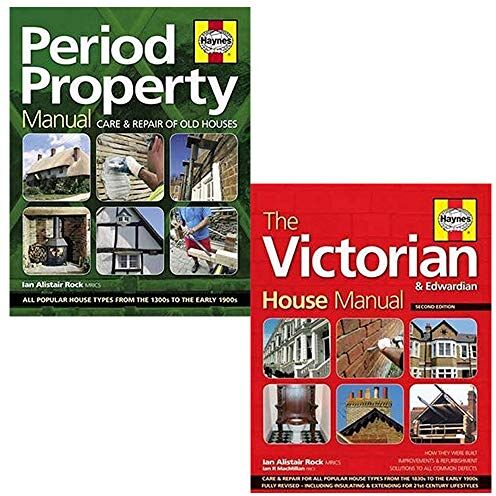
J H Haynes & Co Ltd Haynes Property Manual 2 Books Collection Set (The Victorian House, Period Property)The Victorian House Manual The Victorian House Manual (2nd Edition): How They Were Built, Improvements & Refurbishment, Solutions to All Common Defects Thinking of buying a Victorian or Edwardian house? Or maybe you already own one? Either way, this clearly written manual explains all you need to know about the care and repair of these classic properties. Today, many houses of this age are in need of extensive updating and maintenance, having suffered years of neglect. Some have been damaged by misguided home improvements or botched repairs using the wrong materials. Even newly refurbished properties can sometimes conceal dangerous structural alterations and shoddy build-quality. This unique manual provides detailed, expert advice, backed up with clear how to colour photographs, describing where to check for the critical danger signs and how to fix all common defects. Period Property Britain has a wonderfully rich stock of period houses - everything from medieval cottages to Georgian townhouses and Edwardian mansions. But many of these historic properties are now at risk. Some are unwittingly damaged by well-meaning owners or incompetent builders; others suffer long-term deterioration where mortgage lenders have imposed quick-fix 'remedies'. Despite being some of the most sustainable buildings on the planet, many old houses are now being subjected to ill-advised works to upgrade thermal efficiency, resulting in the destruction of the very qualities that make them so appealing, slashing their values. Haynes have come to the rescue with this clearly written, lavishly illustrated manual explaining the correct approach to care and repair - covering the full range of traditional materials. Every old house has a story to tell, so Haynes also show how to explore your home's history and strip back modern finishes to reveal long lost original features. This comprehensive manual is essential reading whether you want to get your hands dirty or just want to understand how old houses work and how to go about employing specialist craftsmen.19,99 £*Shipping: 2,99 £Secure redirect to the provider
-
J H Haynes & Co Ltd Haynes Property Manual 3 Books Collection Set Home Extension The Victorian House Period PropertyTitles In this Set: The Victorian House Manual Home Extension Period Property The Victorian House Manual The Victorian House Manual (2nd Edition): How They Were Built, Improvements & Refurbishment, Solutions to All Common Defects Thinking of buying a Victorian or Edwardian house? Or maybe you already own one? Either way, this clearly written manual explains all you need to know about the care and repair of these classic properties. Today, many houses of this age are in need of extensive updating and maintenance, having suffered years of neglect. Some have been damaged by misguided home improvements or botched repairs using the wrong materials. Even newly refurbished properties can sometimes conceal dangerous structural alterations and shoddy build-quality. This unique manual provides detailed, expert advice, backed up with clear how to colour photographs, describing where to check for the critical danger signs and how to fix all common defects. Home ExtensionMany people are looking at ways to extend their homes rather than move house, but `getting the builders in' can be a recipe for disaster unless you really know what you are doing. Whether you plan to employ a building contractor or tackle some of the works yourself, this best-selling manual will show you how to stay firmly in control, resulting in a high-quality extension, completed on time and within budget. This new edition will include all the up-do-date information on complying with the latest Building Regs and Planning requirements, CAD design, energy-efficiency, under floor heating, bi-folds, liquid screeds, woodburning stoves and renewable energy. Period Property Britain has a wonderfully rich stock of period houses - everything from medieval cottages to Georgian townhouses and Edwardian mansions. But many of these historic properties are now at risk. Some are unwittingly damaged by well-meaning owners or incompetent builders; others suffer long-term deterioration where mortgage lenders have imposed quick-fix 'remedies'. Despite being some of the most sustainable buildings on the planet, many old houses are now being subjected to ill-advised works to upgrade thermal efficiency, resulting in the destruction of the very qualities that make them so appealing, slashing their values. Haynes have come to the rescue with this clearly written, lavishly illustrated manual explaining the correct approach to care and repair - covering the full range of traditional materials. Every old house has a story to tell, so Haynes also show how to explore your home's history and strip back modern finishes to reveal long lost original features. This comprehensive manual is essential reading whether you want to get your hands dirty or just want to understand how old houses work and how to go about employing specialist craftsmen.24,99 £*Shipping: 2,99 £Secure redirect to the provider
-
NARS Sparked Liquid Eyeshadow liquid glitter eyeshadow shade HOT PROPERTY 3.5 mlNARS Sparked Liquid Eyeshadow, 3.5 ml, Eyeshadows for Women, Do you tend to hit the same few shades in your favourite eyeshadow palette but you just can’t do without them? Or are you travelling and can only fit the essentials in your toiletry bag? Thanks to its compact size, the NARS Sparked Liquid Eyeshadow eyeshadow won’t take up much room, so you can always have it on hand, be it by itself in your purse or as an accessory to your favourite palette. This allows you to give your lids a pop of colour or define the shape of your eyes to your liking, giving every makeup look a new dimension, no matter what your reason for getting them is. The formula ensures even pigment coverage, easy application and seamless blending without unwanted harsh transitions. Characteristics: long-lasting do not smudge in the crease of the eyelid washes out easily sparkling effect ophthalmologically tested30,80 £*Shipping: 3,99 £Secure redirect to the provider
-
What products are formed during glycolysis?
During glycolysis, glucose is broken down into two molecules of pyruvate. In the process, ATP and NADH are also produced. Overall, glycolysis results in the net production of two molecules of ATP per glucose molecule. **
-
Why doesn't the glycolysis equation balance?
The glycolysis equation does not balance because it is a simplified representation of the overall process. In reality, glycolysis involves a series of complex enzymatic reactions that occur in multiple steps. The equation typically shown in textbooks is a summary of these steps and does not account for every intermediate molecule or cofactor involved in the process. Additionally, the equation may not balance due to the omission of specific details or variations that can occur in different organisms or under different conditions. **
-
What is glycolysis in cellular respiration?
Glycolysis is the first stage of cellular respiration, the process by which cells break down glucose to produce energy. It takes place in the cytoplasm of the cell and does not require oxygen, making it an anaerobic process. During glycolysis, a molecule of glucose is broken down into two molecules of pyruvate, and in the process, a small amount of ATP (energy) is produced. This ATP can be used by the cell for various functions. Glycolysis is a crucial step in cellular respiration and provides the starting point for the next stages of the process, which occur in the mitochondria. **
-
What is a mnemonic for glycolysis?
A commonly used mnemonic for remembering the steps of glycolysis is "Goodness Gracious, Father Franklin Did Go By Picking Pumpkins To Prepare Pies." Each word in the mnemonic represents the first letter of each step in the glycolysis pathway: Glucose, Glucose-6-phosphate, Fructose-6-phosphate, Fructose-1,6-bisphosphate, Dihydroxyacetone phosphate, Glyceraldehyde-3-phosphate, 1,3-Bisphosphoglycerate, 3-Phosphoglycerate, 2-Phosphoglycerate, Phosphoenolpyruvate, and Pyruvate. This mnemonic can help students remember the order of the steps in glycolysis. **
Similar search terms for Glycolysis
-
"Pavilion Vacation Fund Ceramic Savings Bank - 6.5"""Save for your next adventure in style with this charming “Vacation Fund” stoneware money jar. Featuring a glossy ombre glaze, motivational fill lines, and a removable dollar-sign keychain, it’s a fun and functional way to reach your travel goals31,99 $*Shipping: 0,00 $Secure redirect to the provider
-
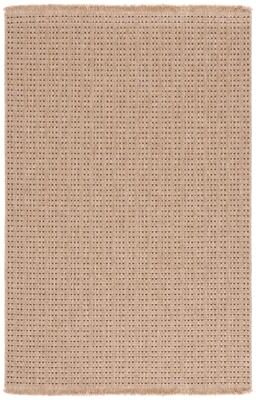
SAFAVIEH Retreat Rasida Farmhouse RugThe Retreat Rug Collection presents versatile indoor/outdoor area rugs that effortlessly complement any living space. Delicate fringe details lend a relaxed coastal charm, while a neutral palette ensures seamless harmony with existing decor.77,55 $*Shipping: 0,00 $Secure redirect to the provider
-
SAFAVIEH Retreat Caitriona Farmhouse RugThe Retreat Rug Collection presents versatile indoor/outdoor area rugs that effortlessly complement any living space. Delicate fringe details lend a relaxed coastal charm, while a neutral palette ensures seamless harmony with existing decor.116,95 $*Shipping: 0,00 $Secure redirect to the provider
-
Why does the glycolysis equation not balance?
The glycolysis equation does not balance because it is a simplified representation of the complex series of chemical reactions that occur during glycolysis. The equation only shows the overall input and output of the process, without accounting for the specific intermediates and enzymes involved in each step. Additionally, the equation does not include the energy requirements and regulatory mechanisms that control glycolysis. Therefore, the equation is unbalanced because it does not provide a detailed account of the individual reactions and their stoichiometry. **
-
What is the balance equation of glycolysis?
The balanced equation for glycolysis is: Glucose + 2 NAD+ + 2 ADP + 2 Pi → 2 pyruvate + 2 NADH + 2 ATP + 2 H2O + 2 H+ **
-
What is the difference between glycolysis and glycogenolysis?
Glycolysis is the breakdown of glucose into pyruvate to produce energy in the form of ATP, while glycogenolysis is the breakdown of glycogen into glucose to provide a quick source of energy. Glycolysis occurs in the cytoplasm of cells, while glycogenolysis primarily occurs in the liver and muscles. Glycolysis is the first step in cellular respiration, while glycogenolysis is a way for the body to maintain blood glucose levels during times of fasting or exercise. **
-
What are glycolysis and cellular respiration in biology?
Glycolysis is the first step in cellular respiration, which is the process by which cells break down glucose to produce energy in the form of ATP. During glycolysis, glucose is converted into pyruvate, producing a small amount of ATP and NADH. Cellular respiration then continues in the mitochondria, where pyruvate is further broken down through the citric acid cycle and oxidative phosphorylation to produce a much larger amount of ATP. Overall, cellular respiration is the process by which cells generate energy from glucose, while glycolysis is the initial step in this process. **
* All prices are inclusive of VAT and, if applicable, plus shipping costs. The offer information is based on the details provided by the respective shop and is updated through automated processes. Real-time updates do not occur, so deviations can occur in individual cases. ** Note: Parts of this content were created by AI.