Buy daydreamvillas.eu ?
We are moving the project
daydreamvillas.eu .
Are you interested in purchasing the domain
daydreamvillas.eu ?
domain@kv-gmbh.de · 0541-91531010
Buy daydreamvillas.eu ?
Which animals have gills?
Animals that have gills include fish, some amphibians like tadpoles, and certain invertebrates such as mollusks and crustaceans. Gills are respiratory organs that allow these animals to extract oxygen from water. Gills are typically found in aquatic animals that live in water environments. **
What are artificial gills?
Artificial gills are devices designed to extract oxygen from water, allowing humans to breathe underwater. These devices typically use a chemical process to separate oxygen from water molecules, mimicking the way gills work in fish. While there have been some prototypes and concepts developed for artificial gills, creating a practical and efficient device for human use remains a significant challenge. Nonetheless, the development of artificial gills could have significant implications for underwater exploration and potentially even for emergency situations. **

Similar search terms for Gills
Top-Angebote
Products related to Gills:
-
NARS Sparked Liquid Eyeshadow liquid glitter eyeshadow shade HOT PROPERTY 3.5 mlNARS Sparked Liquid Eyeshadow, 3.5 ml, Eyeshadows for Women, Do you tend to hit the same few shades in your favourite eyeshadow palette but you just can’t do without them? Or are you travelling and can only fit the essentials in your toiletry bag? Thanks to its compact size, the NARS Sparked Liquid Eyeshadow eyeshadow won’t take up much room, so you can always have it on hand, be it by itself in your purse or as an accessory to your favourite palette. This allows you to give your lids a pop of colour or define the shape of your eyes to your liking, giving every makeup look a new dimension, no matter what your reason for getting them is. The formula ensures even pigment coverage, easy application and seamless blending without unwanted harsh transitions. Characteristics: long-lasting do not smudge in the crease of the eyelid washes out easily sparkling effect ophthalmologically tested30,80 £*Shipping: 3,99 £Secure redirect to the provider
-
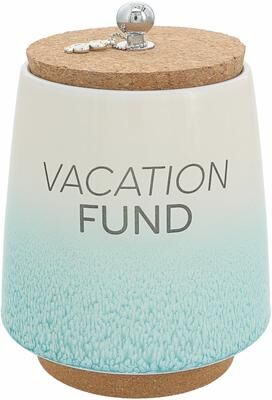
"Pavilion Vacation Fund Ceramic Savings Bank - 6.5"""Save for your next adventure in style with this charming “Vacation Fund” stoneware money jar. Featuring a glossy ombre glaze, motivational fill lines, and a removable dollar-sign keychain, it’s a fun and functional way to reach your travel goals31,99 $*Shipping: 0,00 $Secure redirect to the provider



-
Can a human have gills?
No, humans cannot have gills. Gills are respiratory organs found in aquatic animals that allow them to extract oxygen from water. Humans have lungs, which are adapted for breathing air. Our respiratory system is not designed to extract oxygen from water, so we are not capable of having gills. **
-
Do fire salamanders have gills?
No, fire salamanders do not have gills. They are amphibians and breathe through their skin and lungs. As they mature, they lose their gills and develop lungs for breathing on land. Fire salamanders typically live in moist environments and are known for their striking black and yellow coloration. **
-
Which animal has gills and lungs?
The animal that has both gills and lungs is the amphibian. Amphibians have gills during their larval stage when they live in water, and then develop lungs as they transition to living on land as adults. This dual respiratory system allows them to breathe both underwater and on land, making them well-adapted to their semi-aquatic lifestyle. **
-
What types of gills are there?
There are two main types of gills found in aquatic animals: external gills and internal gills. External gills are located on the outside of the body and are commonly seen in larval amphibians like tadpoles. Internal gills are found inside the body, either in the form of gill slits in fish or within specialized structures like gill chambers in mollusks. Both types of gills are essential for extracting oxygen from water and are adapted to the specific needs of the organism's environment. **
Does the platy have red gills?
Yes, the platy does have red gills. The gills of the platy are typically a bright red color, which helps them extract oxygen from the water. This is a natural characteristic of the platy and is not a cause for concern as long as the fish is otherwise healthy and active. **
How can gills be developed through atavism?
Gills can be developed through atavism, which is the reappearance of ancestral traits in an organism. This can occur when there is a genetic mutation or alteration that triggers the reactivation of genes responsible for gill development. These genes may have been dormant for generations but can resurface under certain conditions, leading to the formation of gills in an individual. Atavism is a rare occurrence but can result in the manifestation of ancestral characteristics, such as gills, in modern organisms. **
Top-Angebote
Products related to Gills:
-
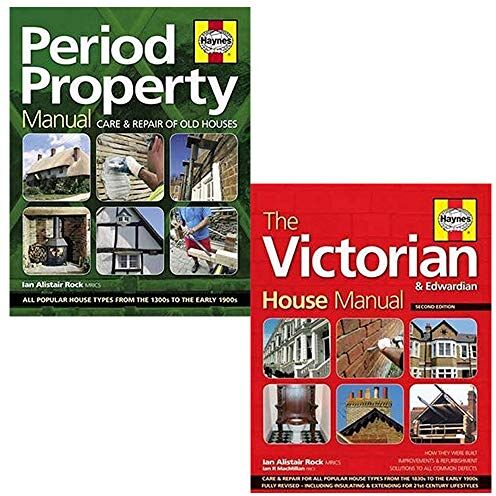
J H Haynes & Co Ltd Haynes Property Manual 2 Books Collection Set (The Victorian House, Period Property)The Victorian House Manual The Victorian House Manual (2nd Edition): How They Were Built, Improvements & Refurbishment, Solutions to All Common Defects Thinking of buying a Victorian or Edwardian house? Or maybe you already own one? Either way, this clearly written manual explains all you need to know about the care and repair of these classic properties. Today, many houses of this age are in need of extensive updating and maintenance, having suffered years of neglect. Some have been damaged by misguided home improvements or botched repairs using the wrong materials. Even newly refurbished properties can sometimes conceal dangerous structural alterations and shoddy build-quality. This unique manual provides detailed, expert advice, backed up with clear how to colour photographs, describing where to check for the critical danger signs and how to fix all common defects. Period Property Britain has a wonderfully rich stock of period houses - everything from medieval cottages to Georgian townhouses and Edwardian mansions. But many of these historic properties are now at risk. Some are unwittingly damaged by well-meaning owners or incompetent builders; others suffer long-term deterioration where mortgage lenders have imposed quick-fix 'remedies'. Despite being some of the most sustainable buildings on the planet, many old houses are now being subjected to ill-advised works to upgrade thermal efficiency, resulting in the destruction of the very qualities that make them so appealing, slashing their values. Haynes have come to the rescue with this clearly written, lavishly illustrated manual explaining the correct approach to care and repair - covering the full range of traditional materials. Every old house has a story to tell, so Haynes also show how to explore your home's history and strip back modern finishes to reveal long lost original features. This comprehensive manual is essential reading whether you want to get your hands dirty or just want to understand how old houses work and how to go about employing specialist craftsmen.19,99 £*Shipping: 2,99 £Secure redirect to the provider
-
J H Haynes & Co Ltd Haynes Property Manual 3 Books Collection Set Home Extension The Victorian House Period PropertyTitles In this Set: The Victorian House Manual Home Extension Period Property The Victorian House Manual The Victorian House Manual (2nd Edition): How They Were Built, Improvements & Refurbishment, Solutions to All Common Defects Thinking of buying a Victorian or Edwardian house? Or maybe you already own one? Either way, this clearly written manual explains all you need to know about the care and repair of these classic properties. Today, many houses of this age are in need of extensive updating and maintenance, having suffered years of neglect. Some have been damaged by misguided home improvements or botched repairs using the wrong materials. Even newly refurbished properties can sometimes conceal dangerous structural alterations and shoddy build-quality. This unique manual provides detailed, expert advice, backed up with clear how to colour photographs, describing where to check for the critical danger signs and how to fix all common defects. Home ExtensionMany people are looking at ways to extend their homes rather than move house, but `getting the builders in' can be a recipe for disaster unless you really know what you are doing. Whether you plan to employ a building contractor or tackle some of the works yourself, this best-selling manual will show you how to stay firmly in control, resulting in a high-quality extension, completed on time and within budget. This new edition will include all the up-do-date information on complying with the latest Building Regs and Planning requirements, CAD design, energy-efficiency, under floor heating, bi-folds, liquid screeds, woodburning stoves and renewable energy. Period Property Britain has a wonderfully rich stock of period houses - everything from medieval cottages to Georgian townhouses and Edwardian mansions. But many of these historic properties are now at risk. Some are unwittingly damaged by well-meaning owners or incompetent builders; others suffer long-term deterioration where mortgage lenders have imposed quick-fix 'remedies'. Despite being some of the most sustainable buildings on the planet, many old houses are now being subjected to ill-advised works to upgrade thermal efficiency, resulting in the destruction of the very qualities that make them so appealing, slashing their values. Haynes have come to the rescue with this clearly written, lavishly illustrated manual explaining the correct approach to care and repair - covering the full range of traditional materials. Every old house has a story to tell, so Haynes also show how to explore your home's history and strip back modern finishes to reveal long lost original features. This comprehensive manual is essential reading whether you want to get your hands dirty or just want to understand how old houses work and how to go about employing specialist craftsmen.24,99 £*Shipping: 2,99 £Secure redirect to the provider
-
NARS Sparked Liquid Eyeshadow liquid glitter eyeshadow shade HOT PROPERTY 3.5 mlNARS Sparked Liquid Eyeshadow, 3.5 ml, Eyeshadows for Women, Do you tend to hit the same few shades in your favourite eyeshadow palette but you just can’t do without them? Or are you travelling and can only fit the essentials in your toiletry bag? Thanks to its compact size, the NARS Sparked Liquid Eyeshadow eyeshadow won’t take up much room, so you can always have it on hand, be it by itself in your purse or as an accessory to your favourite palette. This allows you to give your lids a pop of colour or define the shape of your eyes to your liking, giving every makeup look a new dimension, no matter what your reason for getting them is. The formula ensures even pigment coverage, easy application and seamless blending without unwanted harsh transitions. Characteristics: long-lasting do not smudge in the crease of the eyelid washes out easily sparkling effect ophthalmologically tested30,80 £*Shipping: 3,99 £Secure redirect to the provider
-
"Pavilion Vacation Fund Ceramic Savings Bank - 6.5"""Save for your next adventure in style with this charming “Vacation Fund” stoneware money jar. Featuring a glossy ombre glaze, motivational fill lines, and a removable dollar-sign keychain, it’s a fun and functional way to reach your travel goals31,99 $*Shipping: 0,00 $Secure redirect to the provider
-
Which animals have gills?
Animals that have gills include fish, some amphibians like tadpoles, and certain invertebrates such as mollusks and crustaceans. Gills are respiratory organs that allow these animals to extract oxygen from water. Gills are typically found in aquatic animals that live in water environments. **
-
What are artificial gills?
Artificial gills are devices designed to extract oxygen from water, allowing humans to breathe underwater. These devices typically use a chemical process to separate oxygen from water molecules, mimicking the way gills work in fish. While there have been some prototypes and concepts developed for artificial gills, creating a practical and efficient device for human use remains a significant challenge. Nonetheless, the development of artificial gills could have significant implications for underwater exploration and potentially even for emergency situations. **
-
Can a human have gills?
No, humans cannot have gills. Gills are respiratory organs found in aquatic animals that allow them to extract oxygen from water. Humans have lungs, which are adapted for breathing air. Our respiratory system is not designed to extract oxygen from water, so we are not capable of having gills. **
-
Do fire salamanders have gills?
No, fire salamanders do not have gills. They are amphibians and breathe through their skin and lungs. As they mature, they lose their gills and develop lungs for breathing on land. Fire salamanders typically live in moist environments and are known for their striking black and yellow coloration. **
Similar search terms for Gills
-
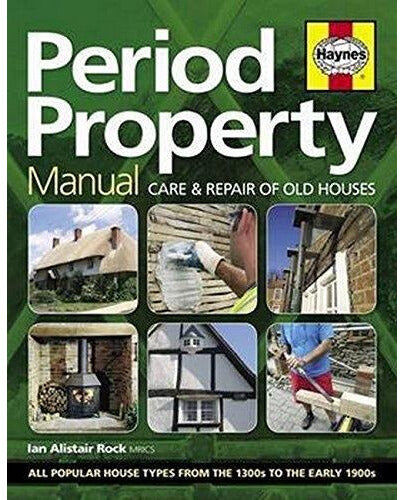
J H Haynes & Co Ltd Haynes Period Property Manual: Care And Repair Of Old HousesHaynes Period Property Manual: Care And Repair Of Old Houses Britain has a wonderfully rich stock of period houses - everything from medieval cottages to Georgian townhouses and Edwardian mansions. But many of these historic properties are now at risk. Some are unwittingly damaged by well-meaning owners or incompetent builders; others suffer long-term deterioration where mortgage lenders have imposed quick-fix 'remedies'. Despite being some of the most sustainable buildings on the planet; many old houses are now being subjected to ill-advised works to upgrade thermal efficiency; resulting in the destruction of the very qualities that make them so appealing; slashing their values. Haynes have come to the rescue with this clearly written; lavishly illustrated manual explaining the correct approach to care and repair - covering the full range of traditional materials.10,99 £*Shipping: 2,99 £Secure redirect to the provider
-
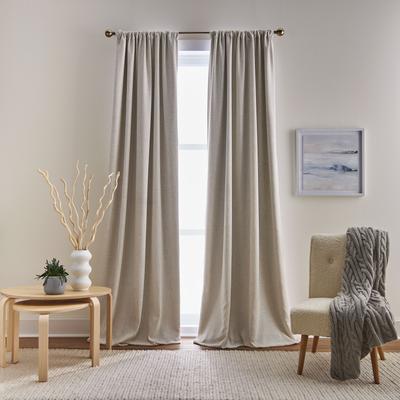
DKNY PURE Retreat Curtain Panel PairLend an effortlessly classic look to your home with the DKNY PURE Retreat window curtain panel pair. The linen set brings subtle texture and blocks light with the blackout lining to maintain your comfort and privacy.109,99 $*Shipping: 0,00 $Secure redirect to the provider
-
Which animal has gills and lungs?
The animal that has both gills and lungs is the amphibian. Amphibians have gills during their larval stage when they live in water, and then develop lungs as they transition to living on land as adults. This dual respiratory system allows them to breathe both underwater and on land, making them well-adapted to their semi-aquatic lifestyle. **
-
What types of gills are there?
There are two main types of gills found in aquatic animals: external gills and internal gills. External gills are located on the outside of the body and are commonly seen in larval amphibians like tadpoles. Internal gills are found inside the body, either in the form of gill slits in fish or within specialized structures like gill chambers in mollusks. Both types of gills are essential for extracting oxygen from water and are adapted to the specific needs of the organism's environment. **
-
Does the platy have red gills?
Yes, the platy does have red gills. The gills of the platy are typically a bright red color, which helps them extract oxygen from the water. This is a natural characteristic of the platy and is not a cause for concern as long as the fish is otherwise healthy and active. **
-
How can gills be developed through atavism?
Gills can be developed through atavism, which is the reappearance of ancestral traits in an organism. This can occur when there is a genetic mutation or alteration that triggers the reactivation of genes responsible for gill development. These genes may have been dormant for generations but can resurface under certain conditions, leading to the formation of gills in an individual. Atavism is a rare occurrence but can result in the manifestation of ancestral characteristics, such as gills, in modern organisms. **
* All prices are inclusive of VAT and, if applicable, plus shipping costs. The offer information is based on the details provided by the respective shop and is updated through automated processes. Real-time updates do not occur, so deviations can occur in individual cases. ** Note: Parts of this content were created by AI.